
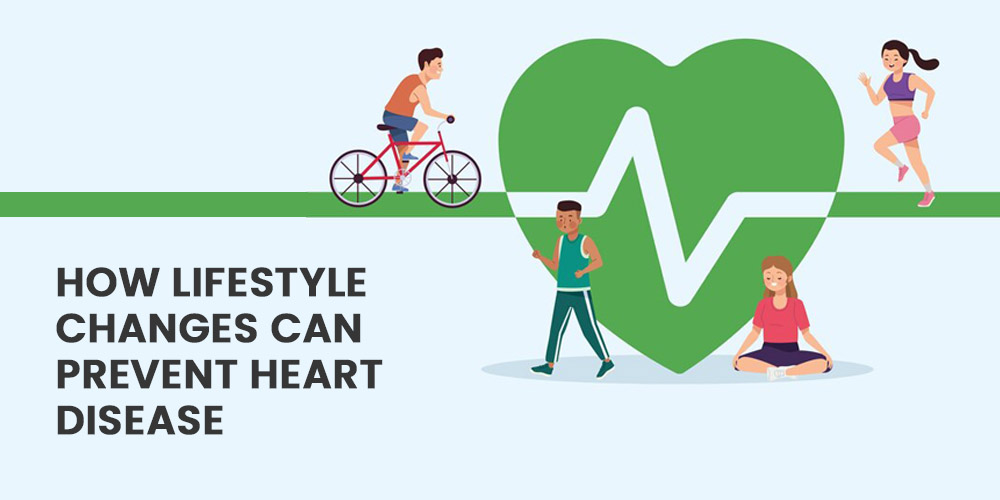
How Lifestyle Changes Can Prevent Heart Disease
Heart disease is one of the most common health problems affecting millions of people worldwide. Modern lifestyles, unhealthy eating habits, stress, lack of physical activity, smoking, and obesity have significantly increased the risk of cardiovascular diseases in both younger and older individuals.
The good news is that many heart-related conditions can be prevented through simple yet effective lifestyle changes. According to Dr. Sujeet Narain, adopting a healthy lifestyle plays a crucial role in reducing the risk of heart disease, improving heart function, and maintaining long-term cardiovascular health.
With over 19 years of experience in advanced cardiac care, Dr. Sujeet Narain emphasizes that prevention is always better than treatment when it comes to heart health.
Understanding Heart Disease
Heart disease refers to various conditions that affect the heart and blood vessels, including:
- Coronary artery disease
- Heart attack
- Heart failure
- Arrhythmias
- Hypertension
- Valvular heart disease
Many of these conditions develop gradually due to unhealthy lifestyle habits and can remain unnoticed for years until serious complications occur.
Fortunately, healthy lifestyle modifications can significantly lower the chances of developing cardiovascular disease.
1. Follow a Heart-Healthy Diet
A balanced and nutritious diet is one of the most important factors for maintaining heart health. Poor dietary habits can lead to obesity, high cholesterol, diabetes, and high blood pressure, all of which increase the risk of heart disease.
Foods That Support Heart Health
Include:
- Fresh fruits and vegetables
- Whole grains
- Nuts and seeds
- Lean proteins
- Fish rich in omega-3 fatty acids
- Low-fat dairy products
Foods to Limit
Avoid excessive intake of:
- Fried foods
- Processed foods
- Sugary beverages
- Excess salt
- Saturated fats
- Trans fats
A healthy diet helps maintain cholesterol levels, improve blood circulation, and support healthy blood pressure.
2. Exercise Regularly
Physical activity strengthens the heart muscles, improves blood circulation, and helps maintain a healthy weight.
Regular exercise can:
- Lower blood pressure
- Reduce bad cholesterol
- Increase good cholesterol
- Improve stamina
- Reduce stress levels
Experts generally recommend at least 30 minutes of moderate exercise five days a week.
Activities may include:
- Walking
- Cycling
- Swimming
- Yoga
- Jogging
- Aerobic exercises
Even simple daily activities like taking stairs or walking regularly can benefit heart health.
3. Maintain a Healthy Weight
Excess body weight puts additional strain on the heart and increases the risk of:
- Hypertension
- Diabetes
- High cholesterol
- Coronary artery disease
Obesity is closely linked to cardiovascular complications and can negatively affect overall health.
Maintaining an ideal body weight through healthy eating and regular exercise helps reduce cardiac workload and supports better heart function.
4. Quit Smoking and Tobacco Use
Smoking is one of the major causes of heart disease. Tobacco damages blood vessels, reduces oxygen supply, increases blood pressure, and promotes plaque buildup in the arteries.
People who smoke are at significantly higher risk of:
- Heart attack
- Stroke
- Peripheral artery disease
- Sudden cardiac arrest
Quitting smoking can rapidly improve heart and lung function and reduce the risk of cardiovascular complications over time.
Even avoiding passive smoking can positively impact heart health.
5. Control Blood Pressure and Cholesterol
High blood pressure and high cholesterol are major risk factors for heart disease.
Uncontrolled blood pressure can damage arteries and increase strain on the heart, while high cholesterol may cause blockage in blood vessels.
Regular health checkups help monitor:
- Blood pressure
- Cholesterol levels
- Blood sugar levels
- Heart rhythm
Early detection and proper management can prevent severe cardiac problems in the future.
6. Manage Stress Effectively
Chronic stress can negatively affect heart health by increasing blood pressure, heart rate, and unhealthy coping behaviors such as overeating or smoking.
Stress management techniques include:
- Meditation
- Deep breathing exercises
- Yoga
- Spending time with family
- Adequate sleep
- Relaxation activities
Maintaining emotional well-being is equally important for cardiovascular health.
7. Get Quality Sleep
Poor sleep habits are increasingly associated with heart disease, obesity, hypertension, and diabetes.
Adults should aim for 7–8 hours of quality sleep each night. Sleep deprivation may increase stress hormones and negatively impact heart function.
Conditions such as sleep apnea should also be evaluated and treated appropriately, as they can increase cardiovascular risk.
8. Limit Alcohol Consumption
Excessive alcohol intake can increase blood pressure, contribute to obesity, and weaken heart muscles over time.
Moderate alcohol consumption or complete avoidance is recommended for maintaining heart health.
Importance of Regular Heart Checkups
Routine cardiac screening helps identify risk factors early, even before symptoms appear.
Regular heart evaluations may include:
- Blood pressure monitoring
- ECG
- Echocardiography
- Lipid profile
- Stress testing
- Diabetes screening
Preventive heart checkups are especially important for individuals with:
- Family history of heart disease
- Diabetes
- Hypertension
- Obesity
- Smoking habits
Early diagnosis can significantly improve treatment outcomes and reduce complications.
Expert Cardiac Care by Dr. Sujeet Narain
Dr. Sujeet Narain is a renowned Interventional Cardiologist currently serving as Associate Director – Institute of Cardiac Sciences at Max Super Speciality Hospital.
He specializes in:
- Coronary Angioplasty
- Primary PTCA
- Pacemaker & AICD Implantation
- Cardiac Resynchronization Therapy (CRT)
- Peripheral Vascular Interventions
- Structural Heart Disease Procedures
Dr. Narain strongly believes in preventive cardiology and encourages patients to adopt healthy lifestyle habits for long-term cardiovascular wellness.
Conclusion
Heart disease can often be prevented through healthy lifestyle choices and regular medical care. Simple changes such as eating a balanced diet, staying physically active, quitting smoking, managing stress, controlling blood pressure, and maintaining a healthy weight can significantly reduce the risk of cardiovascular disease.
Taking proactive steps today can help protect your heart for years to come.
If you are concerned about your heart health or have risk factors for heart disease, consulting an experienced cardiologist can help you make informed decisions for a healthier future.