Top 5 Warning Signs of Heart Disease You Shouldn't Ignore
Heart disease is one of the leading health concerns worldwide, and in many cases, the body gives warning signs long before a major cardiac event occurs. Unfortunately, many people ignore these symptoms or mistake them for stress, fatigue, acidity, or aging. Early identification and timely medical attention can play a critical role in preventing serious complications such as heart attacks, heart failure, or sudden cardiac arrest.
According to Dr. Sujeet Narain, recognizing early symptoms and seeking prompt cardiac evaluation can help save lives and improve long-term heart health.
With over 19 years of experience in advanced cardiac care, Dr. Sujeet Narain specializes in coronary angioplasty, pacemaker implantation, structural heart interventions, and comprehensive cardiovascular treatment. Here are the top five warning signs of heart disease that should never be ignored.
1. Chest Pain or Chest Discomfort
Chest pain is one of the most recognized symptoms of heart disease. It may feel like pressure, heaviness, tightness, squeezing, burning, or discomfort in the chest area. Some people may experience pain that spreads to the neck, jaw, shoulders, arms, or back.
Chest discomfort may occur during physical activity, emotional stress, or sometimes even while resting. Although not all chest pain is related to the heart, persistent or recurring chest discomfort should always be evaluated by a cardiologist.
Coronary artery disease occurs when blood flow to the heart muscles becomes restricted due to blocked or narrowed arteries. Ignoring chest pain can increase the risk of a heart attack and other serious complications.
If chest pain lasts for several minutes or occurs repeatedly, immediate medical attention is important.
2. Shortness of Breath
Feeling breathless during routine activities such as walking, climbing stairs, or lying flat may indicate an underlying heart condition. When the heart cannot pump blood efficiently, fluid may build up in the lungs, causing difficulty in breathing.
Shortness of breath may occur with or without chest pain and is commonly associated with:
- Coronary artery disease
- Heart failure
- Valve disorders
- Cardiomyopathy
Many patients initially ignore breathlessness, assuming it is due to poor fitness or aging. However, unexplained breathing difficulty should not be neglected, especially if it becomes progressively worse over time.
Seeking early consultation can help diagnose heart-related issues before they become severe.
3. Unusual Fatigue or Weakness
Persistent tiredness or sudden weakness can sometimes be an early warning sign of heart disease, particularly in women. Many patients report feeling exhausted even after adequate sleep and rest.
When the heart is unable to pump sufficient oxygen-rich blood throughout the body, daily activities may become more tiring than usual. Symptoms may include:
- Low energy levels
- Reduced stamina
- Difficulty performing routine tasks
- Generalized weakness
Fatigue associated with heart disease may develop gradually and worsen over days or weeks before a major cardiac event.
If ongoing fatigue is accompanied by chest discomfort, breathlessness, or dizziness, a cardiac evaluation is strongly recommended.
4. Irregular Heartbeat or Palpitations
An irregular heartbeat, racing heart, skipped beats, or fluttering sensations in the chest may indicate arrhythmia or an underlying cardiovascular condition.
While occasional palpitations can occur due to stress, anxiety, caffeine, or lack of sleep, frequent or persistent irregular heartbeats should not be ignored.
Certain rhythm disorders can increase the risk of:
- Stroke
- Heart failure
- Sudden cardiac arrest
Modern cardiac diagnostic tools such as ECG, Holter monitoring, echocardiography, and stress testing help identify rhythm abnormalities accurately.
Early diagnosis and treatment can significantly reduce complications related to cardiac arrhythmias.
5. Dizziness, Sweating, or Fainting
Sudden dizziness, lightheadedness, excessive sweating, nausea, or fainting may indicate poor blood circulation caused by heart-related conditions.
These symptoms may occur due to:
- Reduced blood flow to the brain
- Abnormal heart rhythms
- Severe artery blockage
- Heart attack
Cold sweats and dizziness occurring along with chest discomfort or shortness of breath should be treated as a medical emergency.
Ignoring these symptoms may delay life-saving treatment.
When Should You Consult a Cardiologist?
You should consider consulting a cardiologist if you experience:
- Chest pain or pressure
- Difficulty breathing
- Frequent fatigue
- High blood pressure
- Diabetes
- High cholesterol
- Family history of heart disease
- Palpitations or irregular heartbeat
Regular cardiac screening and preventive heart checkups can help detect problems early and improve treatment outcomes.
How to Reduce the Risk of Heart Disease
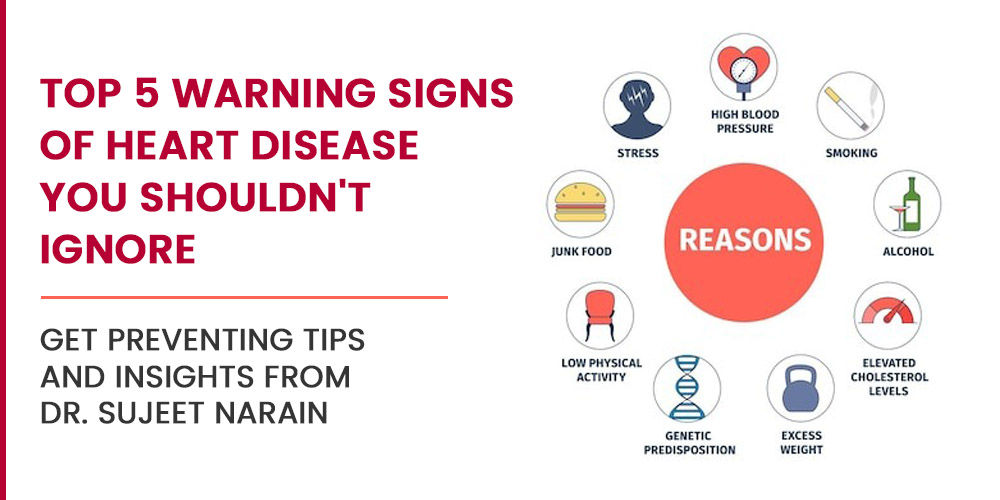
Preventive heart care plays an important role in maintaining long-term cardiovascular health. Simple lifestyle modifications can significantly reduce the risk of heart disease.
Important preventive measures include:
- Regular physical activity
- Healthy balanced diet
- Maintaining ideal body weight
- Controlling blood pressure and cholesterol
- Avoiding smoking and tobacco
- Limiting alcohol consumption
- Managing stress effectively
- Getting regular heart checkups
Early lifestyle intervention combined with timely medical care can help protect your heart and overall health.
Expert Cardiac Care by Dr. Sujeet Narain
Dr. Sujeet Narain is a highly experienced Interventional Cardiologist currently serving as Associate Director – Institute of Cardiac Sciences at Max Super Speciality Hospital. He specializes in:
- Coronary Angioplasty
- Primary PTCA
- Pacemaker & AICD Implantation
- Cardiac Resynchronization Therapy (CRT)
- Peripheral Vascular Interventions
- Structural Heart Disease Procedures
- Advanced Intravascular Imaging
His patient-focused approach and advanced interventional expertise have made him one of the trusted heart specialists in the region.
Conclusion
Heart disease often develops silently, but the body frequently provides early warning signs that should never be ignored. Chest pain, breathlessness, unusual fatigue, irregular heartbeat, dizziness, and fainting may all indicate underlying cardiac problems.
Timely consultation with an experienced cardiologist can help diagnose heart disease early and prevent serious complications.
If you or your loved ones are experiencing any symptoms related to heart health, seeking expert cardiac evaluation can make a significant difference in treatment and recovery outcomes.